권호기사보기
| 기사명 | 저자명 | 페이지 | 원문 | 기사목차 |
|---|
| 대표형(전거형, Authority) | 생물정보 | 이형(異形, Variant) | 소속 | 직위 | 직업 | 활동분야 | 주기 | 서지 | |
|---|---|---|---|---|---|---|---|---|---|
| 연구/단체명을 입력해주세요. | |||||||||
|
|
|
|
|
|
* 주제를 선택하시면 검색 상세로 이동합니다.
Too many CEOs tell a simple story about the future of work: if a machine can do what you do, your job will be automated. They envision everyone from doctors to soldiers rendered superfluous by ever-more-powerful AI. They offer stark alternatives: make robots or be replaced by them.
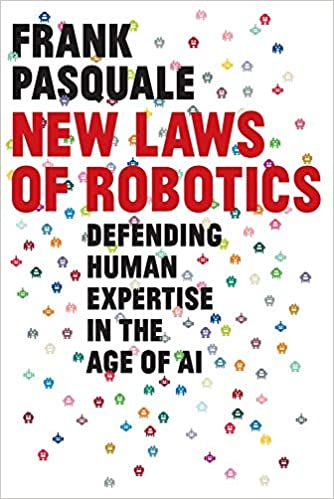
Another story is possible. In virtually every walk of life, robotic systems can make labor more valuable, not less. Frank Pasquale tells the story of nurses, teachers, designers, and others who partner with technologists, rather than meekly serving as data sources for their computerized replacements. This cooperation reveals the kind of technological advance that could bring us all better health care, education, and more, while maintaining meaningful work. These partnerships also show how law and regulation can promote prosperity for all, rather than a zero-sum race of humans against machines.
How far should AI be entrusted to assume tasks once performed by humans? What is gained and lost when it does? What is the optimal mix of robotic and human interaction? New Laws of Robotics makes the case that policymakers must not allow corporations or engineers to answer these questions alone. The kind of automation we get―and who it benefits―will depend on myriad small decisions about how to develop AI. Pasquale proposes ways to democratize that decision making, rather than centralize it in unaccountable firms. Sober yet optimistic, New Laws of Robotics offers an inspiring vision of technological progress, in which human capacities and expertise are the irreplaceable center of an inclusive economy.| 등록번호 | 청구기호 | 권별정보 | 자료실 | 이용여부 |
|---|---|---|---|---|
| 0002722307 | LM 343.0999 -A21-1 | 서울관 법률정보센터(206호) | 북큐레이션 (자료실내 이용) |

AI is poised to disrupt our work and our lives. We can harness these technologies rather than fall captive to them?but only through wise regulation.
Too many CEOs tell a simple story about the future of work: if a machine can do what you do, your job will be automated. They envision everyone from doctors to soldiers rendered superfluous by ever-more-powerful AI. They offer stark alternatives: make robots or be replaced by them.
Another story is possible. In virtually every walk of life, robotic systems can make labor more valuable, not less. Frank Pasquale tells the story of nurses, teachers, designers, and others who partner with technologists, rather than meekly serving as data sources for their computerized replacements. This cooperation reveals the kind of technological advance that could bring us all better health care, education, and more, while maintaining meaningful work. These partnerships also show how law and regulation can promote prosperity for all, rather than a zero-sum race of humans against machines.
How far should AI be entrusted to assume tasks once performed by humans? What is gained and lost when it does? What is the optimal mix of robotic and human interaction? New Laws of Robotics makes the case that policymakers must not allow corporations or engineers to answer these questions alone. The kind of automation we get?and who it benefits?will depend on myriad small decisions about how to develop AI. Pasquale proposes ways to democratize that decision making, rather than centralize it in unaccountable firms. Sober yet optimistic, New Laws of Robotics offers an inspiring vision of technological progress, in which human capacities and expertise are the irreplaceable center of an inclusive economy.
*표시는 필수 입력사항입니다.
| 전화번호 |
|---|
| 기사명 | 저자명 | 페이지 | 원문 | 기사목차 |
|---|
| 번호 | 발행일자 | 권호명 | 제본정보 | 자료실 | 원문 | 신청 페이지 |
|---|
도서위치안내: 법률정보센터(206호) / 서가번호: 5

우편복사 목록담기를 완료하였습니다.
*표시는 필수 입력사항입니다.
저장 되었습니다.