 학술연구정보서비스(KERIS)
권호기사보기
| 기사명 | 저자명 | 페이지 | 원문 | 기사목차 |
|---|
| 대표형(전거형, Authority) | 생물정보 | 이형(異形, Variant) | 소속 | 직위 | 직업 | 활동분야 | 주기 | 서지 | |
|---|---|---|---|---|---|---|---|---|---|
| 연구/단체명을 입력해주세요. | |||||||||
|
|
|
|
|
|
* 주제를 선택하시면 검색 상세로 이동합니다.
표제지
목차
기호 및 약어 8
제1장 서론 9
1.1. 연구배경 9
1.2. 연구 목적 11
1.3. 연구개요 12
제2장 RUL 추정을 위한 방법론 13
2.1. 배터리 상태 정의 13
2.1.1. State-of-charge(SOC) 13
2.1.2. State-of-health(SOH) 14
2.2. 신경망을 이용한 데이터 기반 추정 기법 16
2.2.1. Feedforward neural network(FFNN) 16
2.2.2. Convolutional neural network(CNN) 19
2.2.3. Long Short-term Memory(LSTM) 20
2.2.4. Long-term recurrent convolutional neural network(LRCN) 22
2.3. 데이터 전처리 기법 24
2.3.1. 오토인코더(Autoencoder) 24
2.3.2. 노이즈 제거 오토인코더(Denoising autoencoder) 25
2.3. 제안하는 RUL 예측 프레임워크 30
제3장 RUL 예측 프레임워크 구현 33
3.1. 학습 데이터 33
3.2. 데이터 전처리 36
3.3. 입력 노이즈 제거를 위한 전처리 37
3.4. 데이터 기반 예측 모델 39
3.4.1. 성능 평가 지표 39
3.4.2. 하이퍼 파라미터 최적화 39
제4장 결과 및 논의 43
4.1. 신경망 모델별 SOH 예측 43
4.2. 제안하는 RUL 예측 46
4.2.1. 점진적 RUL 예측 46
4.2.2. 오염된 데이터의 점진적 RUL 예측 50
제5장 결론 54
참고문헌 55
부록 58
ABSTRACT 60
그림 1.1. 리튬 이온 배터리의 RUL 예측 방법론 10
그림 2.1. 퍼셉트론의 구조 16
그림 2.2. FFNN의 구조 17
그림 2.3. CNN의 구조 20
그림 2.4. LSTM의 구조 21
그림 2.5. LRCN의 구조 23
그림 2.6. 기본적인 오토인코더 구조 24
그림 2.7. 원본 데이터와 압축 데이터 25
그림 2.8. 노이즈 제거 오토인코더 구조 26
그림 2.9. 일반 레이어와 드롭 아웃 구조 비교 26
그림 2.10. 원본 데이터의 드롭 아웃 생성 27
그림 2.11. 원본 데이터의 가우시안 노이즈 생성 29
그림 2.12. 제안하는 RUL 예측 프레임 워크 31
그림 2.13. 오프라인/온라인 예측 모델 구조 32
그림 3.1. 충방전 사이클로 인한 용량 저하 34
그림 3.2. Battery #5 충방전 사이클로 인한 특징 변화 35
그림 3.3. 오염된 데이터 Ndropout가 입력일 때 dA의 출력[이미지참조] 38
그림 3.4. 오염된 데이터 Ng(3%) 입력일 때 dA의 출력[이미지참조] 38
그림 3.5. 오염된 데이터 Ng(5%)가 입력일 때 dA의 출력[이미지참조] 38
그림 3.6. 하이퍼 파라미터 최적화 과정 42
그림 4.1. Battery #5 예측 모델 별 SOH 예측 45
그림 4.2. Battery #5의 예측 모델 별 성능 비교 45
그림 4.3. Battery #5의 예측 모델에 따른 RUL 예측 결과 47
그림 4.4. Battery #5 예측 모델 별 RUL 성능 비교 49
그림 4.5. 배터리 데이터 셋에 따른 사이클 오차 비교 49
그림 4.6. Battery #5 점진적 모델의 RUL 예측 결과 51
그림 4.7. Battery #5 평가 기준 기반 케이스별 성능 비교 52
*표시는 필수 입력사항입니다.
| 전화번호 |
|---|
| 기사명 | 저자명 | 페이지 | 원문 | 기사목차 |
|---|
| 번호 | 발행일자 | 권호명 | 제본정보 | 자료실 | 원문 | 신청 페이지 |
|---|
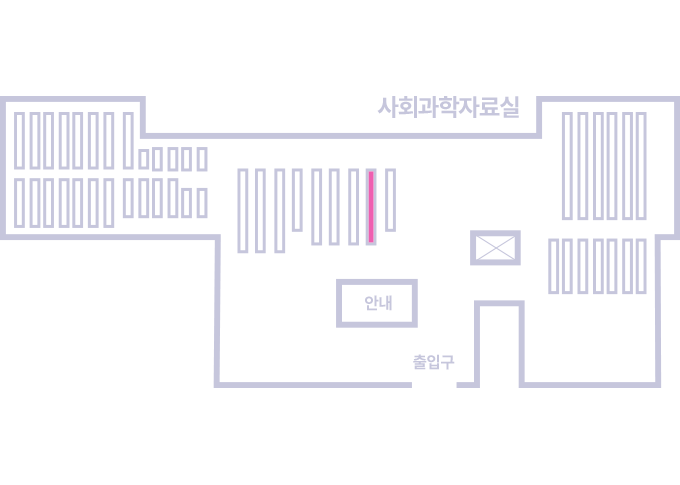
도서위치안내: / 서가번호:
우편복사 목록담기를 완료하였습니다.
*표시는 필수 입력사항입니다.
저장 되었습니다.